
Licensing Microsoft Entra administrator accounts for email is a common practice, but it introduces avoidable security risks. Privileged accounts should remain isolated from unnecessary communication channels to minimize vulnerabilities. This guide shows how to set up email notifications for admin accounts without assigning them a mailbox license. We’ll also include visual steps for enabling plus …
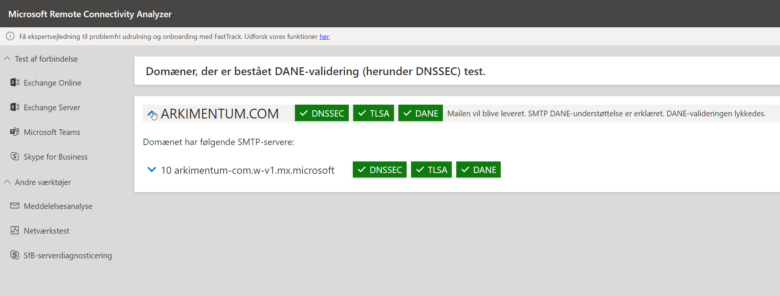
Introduction to SMTP DANE and DNSSEC Securing email communication is critical in the modern digital landscape. SMTP DANE (DNS-based Authentication of Named Entities) and DNSSEC (Domain Name System Security Extensions) are two technologies that strengthen email security by protecting against DNS-based attacks and ensuring encrypted connections between mail servers. What is DNSSEC? DNSSEC enhances the …
What is DMARC DMARC, which stands for Domain-based Message Authentication, Reporting, and Conformance, is a crucial email authentication and anti-phishing technology designed to enhance the security of email communication. It helps organizations combat email fraud, phishing attacks, and unauthorized use of their domain names by allowing domain owners to specify policies for how their email …
Maybe you have been used to labels in documents and emails – now its also possible to label Teams and thereby protect the content inside the full team. In group level protection you can use the following settings for the labels Background Some background on sensitivity labels in general. Sensitivity labels are used to classify …
If you already have enabled labelling for Groups and Team sites in Azure, skip to part 2 of this series to see how to use them in Teams. Information protection in Microsoft Teams is important because it helps ensure the confidentiality, integrity, and availability of sensitive information that is communicated and shared within the platform. …
In a recent blog post on January 20. the Exchange Team blog announced support for stacking exchange online licenses. Introducing Support for Concurrent Exchange Online License Assignments – Microsoft Community Hub There is several benefits to this new possiblity, mostly its great when you need to change the licensing plan for a user. For example. …