
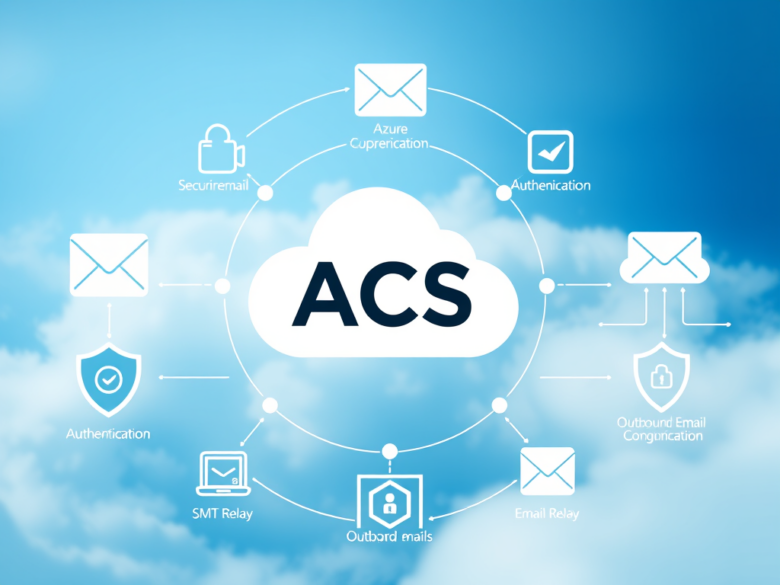
A Modern SMTP Relay for Post-Exchange Environments As more organizations retire their last on-premises Exchange server, and as Microsoft Defender for Office 365 introduces more aggressive email throttling, many customers are facing the challenge of finding a new reliable SMTP relay. Azure Communication Services (ACS) with Email capabilities is emerging as a modern, scalable alternative. …

Microsoft will retire legacy multifactor authentication (MFA) and self-service password reset (SSPR) policies on September 30, 2025. Organizations must switch to the unified Authentication Methods policy in Microsoft Entra ID before this date. This guide explains how to: Understanding Legacy Authentication Methods Legacy methods include MFA and SSPR policies managed separately in Microsoft Entra ID. …

Licensing Microsoft Entra administrator accounts for email is a common practice, but it introduces avoidable security risks. Privileged accounts should remain isolated from unnecessary communication channels to minimize vulnerabilities. This guide shows how to set up email notifications for admin accounts without assigning them a mailbox license. We’ll also include visual steps for enabling plus …
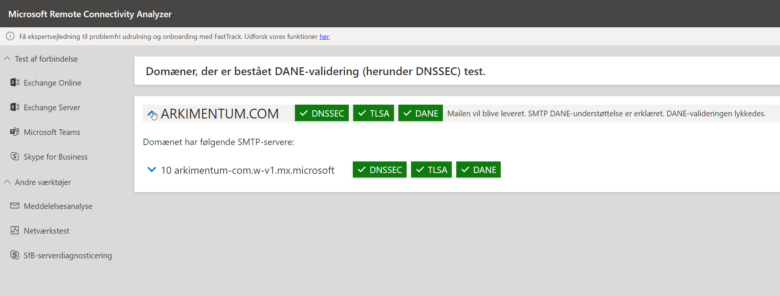
Introduction to SMTP DANE and DNSSEC Securing email communication is critical in the modern digital landscape. SMTP DANE (DNS-based Authentication of Named Entities) and DNSSEC (Domain Name System Security Extensions) are two technologies that strengthen email security by protecting against DNS-based attacks and ensuring encrypted connections between mail servers. What is DNSSEC? DNSSEC enhances the …
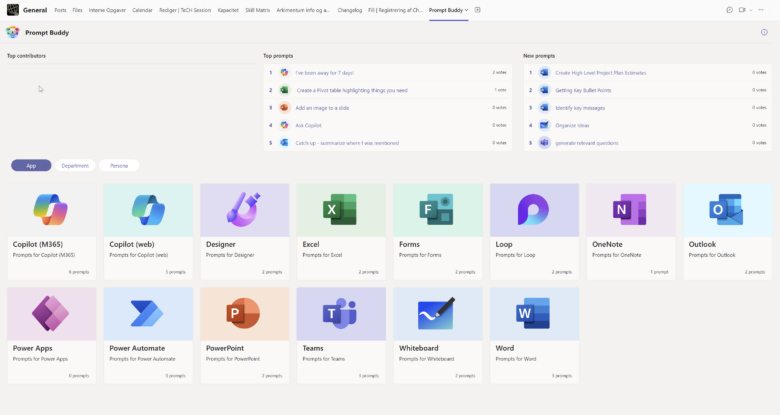
Keep those EPIC prompts stored centrally and av. With the introduction of the Power App Prompt Buddy, Microsoft Teams users now have a streamlined solution for managing and sharing AI prompts. This tool is designed to enhance team productivity by facilitating the easy exchange of AI-driven insights and ideas. This post aims to guide you …
In this article i will give you a guide on enabling and turning on Microsoft Purview Information barriers (IB) , with fokus on Microsoft Teams – this can be relevant across many sectors and industries catering for legal requirements, aswell as in schools and/ or higher education as a means to contain students in segments. …
What is DMARC DMARC, which stands for Domain-based Message Authentication, Reporting, and Conformance, is a crucial email authentication and anti-phishing technology designed to enhance the security of email communication. It helps organizations combat email fraud, phishing attacks, and unauthorized use of their domain names by allowing domain owners to specify policies for how their email …
Maybe you have been used to labels in documents and emails – now its also possible to label Teams and thereby protect the content inside the full team. In group level protection you can use the following settings for the labels Background Some background on sensitivity labels in general. Sensitivity labels are used to classify …
If you already have enabled labelling for Groups and Team sites in Azure, skip to part 2 of this series to see how to use them in Teams. Information protection in Microsoft Teams is important because it helps ensure the confidentiality, integrity, and availability of sensitive information that is communicated and shared within the platform. …